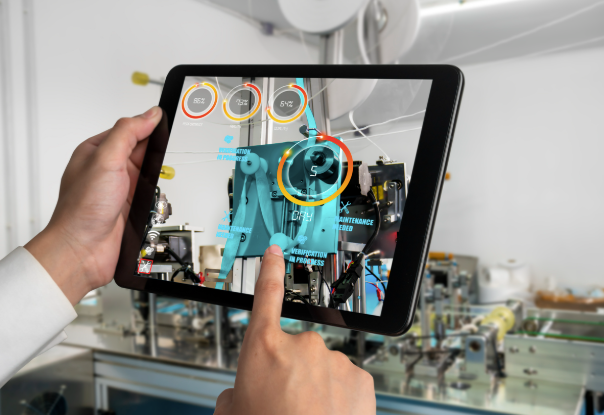
Augmented Reality (AR) merges digital content with the physical world, creating interactive experiences. It relies on sophisticated technology, including sensor fusion and real-time data processing. By capturing and analyzing real-world data, AR systems can track user movements and environmental features. This integration raises intriguing questions about its underlying mechanisms and diverse applications. What drives the effectiveness of AR in various sectors, and how does it continue to evolve in today’s digital landscape?
The Technology Behind Augmented Reality
Although many people associate augmented reality (AR) with captivating mobile applications and immersive gaming experiences, the underlying technology is far more complex and multifaceted.
AR relies heavily on sensor integration, utilizing devices to capture real-world data. This data enables the creation of visual overlays that seamlessly blend digital information with physical environments, enhancing user interaction and providing a richer, more engaging experience.
How AR Processes Real-World Data
To effectively enhance the user experience, augmented reality systems must adeptly process real-world data. This involves real-time tracking of user movements and environmental features, allowing for seamless integration of digital content.
Sensor fusion plays a crucial role, combining data from various sensors to provide accurate positioning and orientation. Such sophisticated processing ensures that virtual elements align harmoniously with the physical world, fostering an immersive experience.
Key Components of Augmented Reality Systems
At the core of augmented reality (AR) systems lie several key components that work in unison to create immersive experiences.
Marker-based AR utilizes visual markers to trigger digital content, while location-based AR relies on GPS data to enhance real-world environments.
Together, these elements enable users to interact with digital information seamlessly, fostering a deeper connection to their surroundings and empowering a more liberated exploration of reality.
See also: How Artificial Intelligence Is Changing the World
Applications of Augmented Reality Across Industries
The diverse applications of augmented reality (AR) are transforming various industries, enhancing processes and user experiences in unprecedented ways.
In retail experiences, AR creates immersive shopping; in medical training, it simulates real-life scenarios.
Gaming innovations captivate users, while architectural visualization aids design.
Furthermore, educational tools engage learners, and tourism enhancement offers interactive exploration, demonstrating AR’s potential to revolutionize everyday interactions and professional practices.
Conclusion
In conclusion, augmented reality stands at the forefront of technological innovation, blending the digital and physical worlds to create immersive experiences. Notably, a recent study revealed that 70% of consumers expect brands to provide AR experiences, highlighting the growing demand for this technology. As AR continues to evolve, its applications across diverse sectors promise to transform how individuals interact with their environments, making it an indispensable tool for enhancing engagement and driving future advancements.