The integration of IoT technology in manufacturing is reshaping industry standards. Smart machinery equipped with sensors enables real-time monitoring and predictive maintenance, significantly reducing operational downtime. Furthermore, data analytics offer insights that enhance inventory management and demand forecasting. This shift not only streamlines supply chains but also fosters a culture of innovation. As manufacturers adapt, the implications for productivity and market responsiveness raise critical questions about future competitiveness. What changes lie ahead in this evolving landscape?
Enhancing Operational Efficiency
As manufacturers increasingly integrate Internet of Things (IoT) technologies into their operations, they are discovering significant enhancements in operational efficiency.
Smart machinery equipped with IoT sensors generates real-time data, enabling predictive maintenance strategies. This proactive approach reduces downtime and operational costs, allowing manufacturers to optimize productivity.
Consequently, IoT adoption not only streamlines processes but also empowers businesses to achieve greater autonomy in their manufacturing practices.
Real-Time Data Analytics and Monitoring
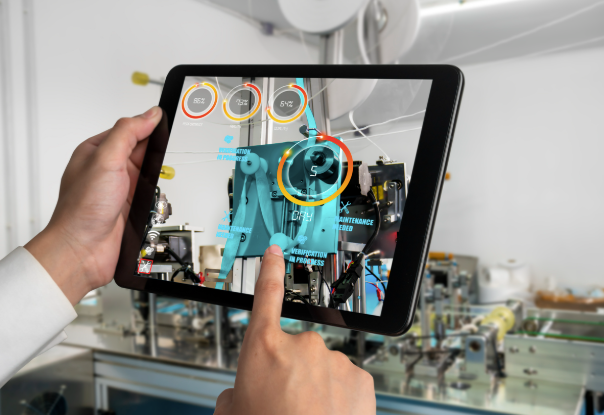
The integration of IoT technologies in manufacturing not only enhances operational efficiency but also facilitates real-time data analytics and monitoring.
This capability enables predictive maintenance, reducing downtime and minimizing costs.
Furthermore, real-time insights bolster quality assurance by identifying defects promptly, ensuring products meet standards.
Consequently, manufacturers gain the freedom to optimize processes, improve decision-making, and maintain competitiveness in an evolving market landscape.
Transforming Supply Chain Management
While traditional supply chain management often struggles with visibility and responsiveness, the integration of IoT technologies is revolutionizing this critical aspect of manufacturing.
By enabling real-time data collection and analysis, IoT enhances inventory optimization and improves demand forecasting.
This data-driven approach allows manufacturers to respond swiftly to market changes, fostering increased efficiency and flexibility, ultimately empowering them to meet consumer needs more effectively.
See also: How Augmented Reality Works
Fostering Innovation and Competitive Advantage
By leveraging IoT technologies, manufacturers can foster innovation and gain a competitive advantage in an increasingly dynamic market.
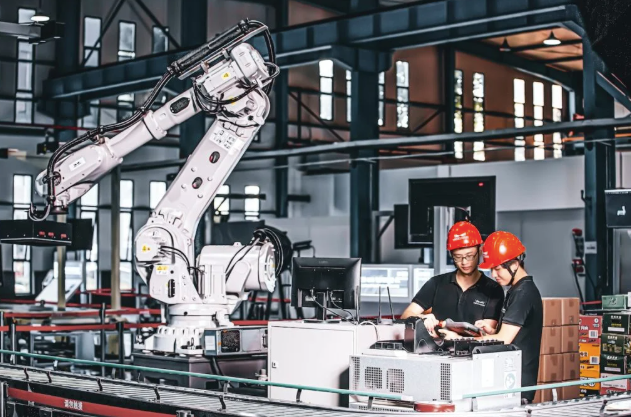
The integration of smart technologies and collaborative robots streamlines production processes, enhances efficiency, and reduces costs.
Data analytics derived from IoT devices enable manufacturers to make informed decisions swiftly, positioning them favorably against competitors.
This transformative approach not only boosts productivity but also cultivates a culture of continuous improvement.
Conclusion
In conclusion, the integration of IoT in manufacturing is not merely a trend but a transformative force that significantly enhances operational efficiency and competitiveness. A striking statistic reveals that companies employing IoT technologies can achieve up to a 30% reduction in operational costs. This underscores the pivotal role IoT plays in revolutionizing processes, driving innovation, and fostering a responsive supply chain. As manufacturers embrace these advancements, the potential for improved product quality and consumer satisfaction becomes increasingly attainable.