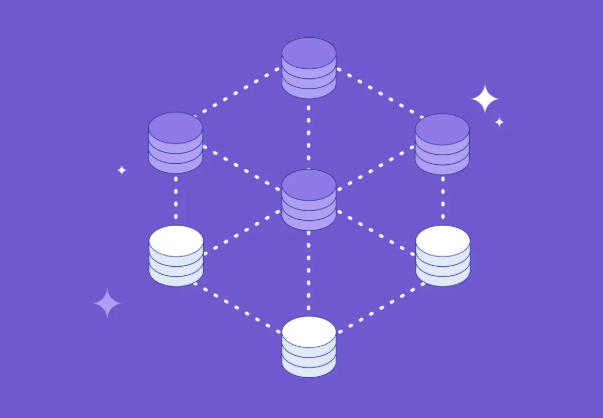
A Decentralized Autonomous Organization, or DAO, functions as a digital entity governed by smart contracts on a blockchain. This structure allows for collective decision-making among members, eliminating the need for centralized authority. The implications of this model extend beyond mere governance. However, the operational dynamics and the potential hurdles faced by DAOs merit closer examination. What factors contribute to their effectiveness, and what obstacles threaten their sustainability?
What Exactly Is a DAO and Why Should You Care?
As blockchain technology continues to evolve, understanding the concept of a Decentralized Autonomous Organization (DAO) becomes increasingly pertinent.
A DAO facilitates decentralized decision making, allowing members to collectively govern and manage resources without centralized authority. This structure promotes community ownership, empowering individuals to participate actively in governance.
The implications for personal freedom and collective autonomy warrant further exploration in an increasingly digitized landscape.
The Role of Smart Contracts in DAO Operations
Smart contracts play a crucial role in the operations of a Decentralized Autonomous Organization (DAO), serving as the foundational code that automates governance processes and execution of decisions.
These programmable agreements enable transparent and trustless interactions among members, minimizing the need for intermediaries.
Key Advantages of DAOs for Collaborative Governance
While traditional governance structures often face challenges related to centralization and bureaucratic inefficiencies, Decentralized Autonomous Organizations (DAOs) offer a transformative approach to collaborative governance.
See also: What Is a Crypto Whitepaper?
What Challenges Do DAOs Face?
Although DAOs present innovative solutions for governance, they are not without significant challenges that can impede their effectiveness.
Regulatory hurdles complicate compliance, while security concerns expose vulnerabilities to malicious attacks.
Additionally, decision-making challenges arise from the need for consensus among diverse members, potentially stifling timely actions.
Lastly, maintaining member engagement is crucial, as apathy can undermine the collective goals of the organization.
Conclusion
In the evolving landscape of digital governance, DAOs stand as pioneering vessels, navigating the uncharted waters of decentralization. They harness the winds of community engagement and transparency, yet they must also weather storms of regulatory uncertainty and scalability challenges. As they chart their course, the potential for innovative collaboration and shared ownership illuminates the horizon, beckoning individuals and organizations alike to explore the transformative power of this autonomous framework in shaping a more democratic future.